

At Mi-Nutrition, we believe in taking better care of our elders by providing nutritional advice to help them maximize their intake of key foods and nutrients. As people age, certain nutrients require greater attention to prevent deficiencies associated with age-related conditions such as high blood pressure, cancer, fractures, and falls.
Our support for the elderly includes advice on:
Elderly individuals often face challenges in maintaining a balanced diet, leading to common issues like malnutrition, low calorie and protein intake, and deficiencies in vital vitamins and minerals. Problems such as insomnia, anorexia, fatigue, depression, and diminished sensory functions can result from poor diets and nutritional deficiencies, weakening the immune system and increasing susceptibility to infections.
Several factors contribute to reduced food intake among the elderly, including diminished senses of taste and smell, dental issues, low income, and difficulties in obtaining or preparing foods. Additionally, reduced digestion and absorption capabilities make their nutritional needs higher than usual.
Most elderly people have decreased production of gastric hydrochloric acid, which is essential for breaking down complex carbohydrates, fats, and proteins. The function of other digestive organs, such as the pancreas, also declines, reducing the production of digestive enzymes and nutrient absorption, particularly minerals.
Due to lack of cellular support, elderly individuals are prone to tissue weakness, leading to decreased skin protection and accelerated aging of the skin. Thus, elderly people need more nutrients to maintain their health and well-being.
At Mi-Nutrition, we are committed to helping our elders achieve optimal nutrition and improve their quality of life.

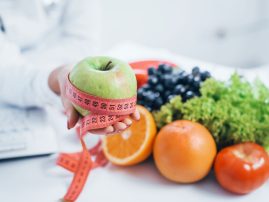
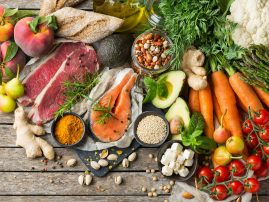

Ensuring children receive a variety of nutrients from all food groups, including fruits, vegetables, whole grains, proteins, and dairy, to support growth and development.

Promoting daily exercise to help children build strong bones and muscles, maintain a healthy weight, and improve overall physical and mental health.
Encouraging children to drink plenty of water and avoid sugary beverages to maintain hydration and support overall bodily functions.

Reducing the intake of processed and sugary foods to lower the risk of obesity, diabetes, and other health issues.
Here are top asked questions by our customers
Essential nutrients for the elderly include calcium, vitamin D, vitamin B12, fiber, and protein. These nutrients help maintain bone health, support the immune system, and promote overall well-being.
Proper nutrition can prevent age-related health issues by ensuring adequate intake of essential nutrients, which helps reduce the risk of conditions like osteoporosis, high blood pressure, heart disease, and cognitive decline.
Best foods for elderly individuals with difficulty chewing include soft and easy-to-swallow options like yogurt, mashed potatoes, scrambled eggs, smoothies, and well-cooked vegetables. These foods provide essential nutrients without straining their chewing abilities.
Hydration is crucial for the elderly as it helps prevent dehydration, supports digestion, maintains kidney function, and reduces the risk of constipation. Elderly individuals should aim to drink plenty of water throughout the day.
Elderly individuals need more nutrients because their bodies may have reduced digestion and absorption capabilities, increased nutritional needs due to chronic conditions, and a higher risk of deficiencies that can lead to health issues like weakened immunity and decreased muscle mass.